Licensed Repair Team
Stop Siding Damage Before It Spreads in Georgetown, Georgetown, GA
Licensed, color-matched, no-surprise invoicing. Georgetown homeowners trust us to get it done.
Call for Fast Dispatch: +1-844-782-0929
From minor cracks to rotted sections, we break down what each issue means for your home.
Heat cycles and settling cause siding to crack or bow outward. Left alone, these gaps admit moisture that can damage sheathing and insulation within months.
Punctures may look minor on the surface but often hide moisture intrusion behind the panel. We inspect the substrate before patching so nothing is missed.
Bubbling paint, staining streaks, or soft spots in the panel face often indicate that moisture has already breached the siding layer. Waiting makes the underlying damage worse and more expensive.
Loose panels expose the house wrap and sheathing directly to weather. Once fasteners fail or the nailing hem is damaged, panels can detach entirely in high winds.
Wood and engineered wood siding can rot from the inside out, often invisibly until probed. Rot spreads to adjacent panels and structural members if not cut out completely.
Storm-related impact damage may qualify for homeowner insurance claims. We document damage thoroughly and can coordinate with your adjuster on your behalf.
Our color-match process goes beyond guesswork. We cross-reference manufacturer codes and test samples on-site before cutting any panels.
Most repair requests in Georgetown receive a same-day or next-morning assessment. Speed matters when moisture is actively entering your wall system.
Every repair we complete in Georgetown, GA is performed by a licensed, insured team. You receive documentation of licensure upfront -- no guessing, no unverified subcontractors.
Our invoicing is line-itemized so you understand exactly what each part of the repair costs. No "miscellaneous" charges appear at the end.
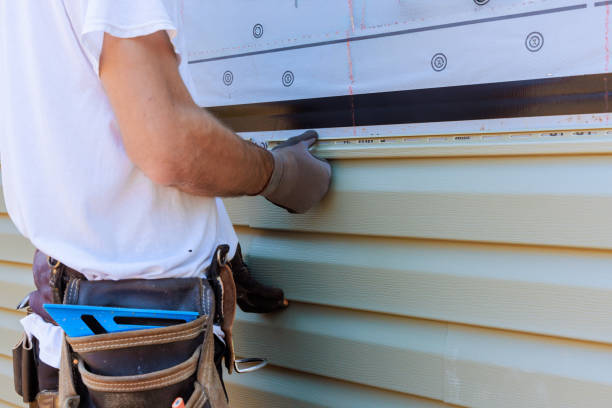
Cracked panels are stabilized, assessed for substrate intrusion, then repaired or swapped. We never leave a repair that might re-crack within a season.
We remove saturated panels, dry and treat the underlying sheathing, install new moisture barrier where needed, and replace siding to restore a weathertight envelope.
Small punctures get professionally filled with flexible patching compound; larger holes receive full panel replacements. Either way, the finished result looks continuous and clean.
Aged, cracked caulking at trim joints, windows, and panel seams is one of the most common entry points for water. We strip and replace deteriorated sealant with products rated for your siding type.
We cut out all decayed material, treat exposed framing with borate solution, replace house wrap if damaged, and install new siding matched to your existing profile and color.
Our technician examines both the visible damage and the wall cavity behind it, using moisture meters and probes to catch problems a visual inspection alone would miss.
We cross-reference your existing siding manufacturer, profile, and color code, then source matching material before scheduling the repair. No guessing at the job site.
We remove only what needs to go, repair or replace substrate if needed, install new material to manufacturer specs, and seal every joint and fastener point.
Final review covers color match, panel alignment, sealant coverage, and fastener torque. You sign off only when you are satisfied with the result.
The most costly siding repairs we complete in Georgetown, Georgetown, GA are not the dramatic ones caused by major storms. They are the slow, quiet failures that developed over one or two seasons while the homeowner assumed the problem was cosmetic. A cracked panel that would have cost a few hundred dollars to swap in the spring can become a full wall section replacement by the following fall if water has been migrating behind it unchecked.
Moisture intrusion behind siding is the issue that transforms minor repairs into major renovations. The siding itself is the first line of defense for your home's wall assembly. When it fails -- even partially -- water finds its way to the housewrap, the sheathing, and eventually the structural framing. In Georgetown, GA's climate, which subjects exterior surfaces to significant thermal swings and precipitation across seasons, the progression from a damaged panel to wet framing can happen faster than most homeowners expect.
Professional color matching is one of the most technically demanding parts of siding repair, and it is frequently underestimated by homeowners who consider doing the work themselves. Siding fades gradually over years of UV exposure, and a new panel installed next to an aged one can look significantly different even when both carry the same manufacturer color code. Experienced contractors account for this by sourcing the closest possible match from multiple suppliers, testing sample pieces on the exterior in natural light at different times of day, and sometimes feathering the transition across a logical break point such as a corner or trim line.
The question of repair versus full replacement comes up in nearly every consultation we conduct in Georgetown, GA. The honest answer is that targeted repair is almost always the right call when the damaged area is limited, the surrounding panels are structurally sound, and the substrate beneath is dry and intact. Replacing a handful of panels costs a fraction of full re-siding and delivers the same structural protection when done correctly. Full replacement makes more sense when damage is widespread, the siding profile has been discontinued by the manufacturer, or the home is approaching an age where the existing siding system is near the end of its service life regardless of the current damage.
Licensing matters in Georgetown, GA. Contractors performing exterior cladding work are subject to state licensing requirements, and working with an unlicensed crew exposes homeowners to liability if an injury occurs on-site and to recourse problems if the work proves defective. Before hiring any contractor for siding repair in GA, verify licensure through the state contractor licensing board and confirm that general liability and workers compensation insurance is current. At SOS Roofing and Siding, we provide our license number and certificate of insurance at the start of every estimate, without being asked.
On repair day in Georgetown, the process is direct and focused. Our crew arrives with materials already pulled, confirms conditions are appropriate for sealant work, and protects your driveway, plants, and foundation plantings before removing any panels. Repair work on most projects wraps in a single visit. You receive a walkthrough of the completed work, a review of any substrate findings we noted during the repair, and written documentation of what was done and what materials were used. No ambiguity, no surprises.
"We had three warped panels on the south side of our house that had been letting in moisture for who knows how long. SOS Roofing and Siding came out, assessed the whole wall, and had the repair done in one day. Color match was spot-on."
"We had rot along the bottom course of our lap siding. Three other contractors said we needed the whole house done. SOS Roofing and Siding repaired just the affected section and it looks great a year later."
"The crew showed up on time, covered my flower beds, and cleaned up completely when they were done. The repaired panels blend perfectly. I honestly cannot tell where the old siding ends and the new starts."